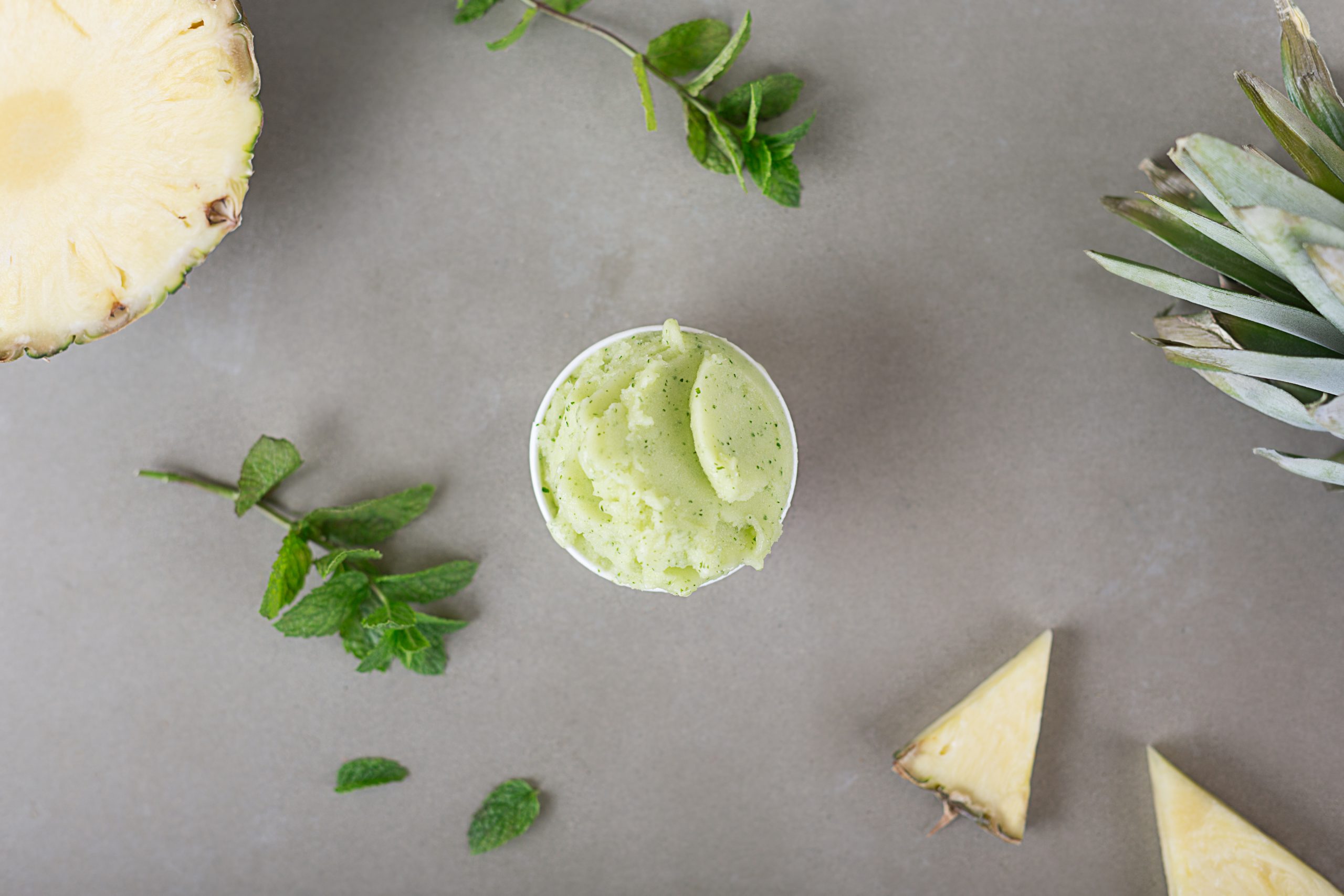
It's finally vacation time! On vacation, you just can't get enough gelato. So that you head straight to the best gelato parlor in town from the very start and don't waste precious vacation days on mediocre gelato, Giorgio shares how he spots high-quality gelato when traveling. With these tips straight from the gelato maker, you can properly judge a gelato parlor's quality – without even having to taste the gelato.

First off: there are gelato parlors that strive for quality in their approach and philosophy. They create their own recipes, focus in
detail on continuously improving these recipes, and strive to source the best ingredients, as many of them fresh as possible. These gelato makers want to create gelato that tastes authentic and natural, without adding flavor enhancers or colorings. And then there are gelato parlors that don't put the quality of their gelato first: they use few fresh ingredients and rely on industrially manufactured products from suppliers that make production fast, cheap, and uncomplicated. These gelato parlors place their focus more on commercial aspects. If you're also someone who prefers natural products with an authentic taste, then Giorgio's tips are just right for you!
Tip #1: The selection
Be cautious of gelato parlors with a very wide range of flavors.
With a huge selection – some gelato parlors offer 50 flavors or more at the same time – the likelihood that the gelato was truly freshly made is low. A smaller assortment, on the other hand, is a much better sign of good quality.
Tip #2: The origin of the ingredients
Do you learn anything at the gelato parlor about the origin of the ingredients used, or even the names of the food producers? For instance, which farm and which region the milk, hazelnuts, pistachios, chocolate, or vanilla come from? That is a clear sign of care in selecting ingredients and of buying directly from producers. And that usually means the gelato parlor is committed to high quality and in-house recipes. Gelato parlors that work with semi-finished mixes from industrial suppliers cannot share the origin of their products, because they don't know it themselves.
Tip #3: The flavor signs
Do you spot flavor signs with custom flavor names and a design that matches the gelato parlor's brand? Then the flavor signs were probably designed specifically for that parlor. This in turn increases the likelihood that they work with their own recipes. On the other hand, if you see small signs bearing the logo or name of a company other than the gelato parlor itself, it's probably a large supplier. Most likely, semi-finished mixes are being used for the gelato.
Tip #4: The display case and presentation of the gelato
If you're drawn in by tall mountains of gelato in an open display case, that tends to point to lower quality, since these peaks only hold their shape through the addition of large amounts of stabilizers. If the gelato is tucked away in so-called Pozzetti, that is a clear mark of quality. Pozzetti cases have several economic disadvantages compared to open cases: they are significantly more expensive to buy, take up much more space for the same number of flavors, and storing the gelato in the storage freezers is also more labor-intensive. On top of that, scooping takes more time, meaning revenue per staff member is lower than with open display cases. In contrast, Pozzetti cases have only a single advantage over open display cases: thanks to the lids, the gelato stays protected from air and light, preserving its quality much better. Only gelato makers who truly care about high quality would accept those economic disadvantages in return!
Tip #5: The flavors
Flavors like Smarties, Smurf, or Nutella are registered trademarks that are usually sourced as semi-finished mixes. Gelato parlors offering such flavors therefore do not work exclusively with natural ingredients. And why would they suddenly prioritize naturalness and high quality for flavors like vanilla or hazelnut? Gelato makers who develop their own recipes make their own hazelnut-chocolate gelato, which isn't called Nutella, but rather something like Nougat or Gianduia!
Tip #6: The color
Intense colors that don't occur like that in nature – such as mint-green pistachio gelato – point to the use of colorings. Such gelato makers usually don't shy away from artificial flavorings either.
“On our travels through Southern Italy, even before we knew how to make gelato ourselves, we developed a sixth sense for good gelato parlors. Because we love eating gelato so much and were always on the lookout for the best gelato in town.”
Giorgio Leone, Gelatiere